How to Calculate How Much Water Your Lawn Needs and How to Calculate Watering Times
Maintaining a healthy lawn goes beyond regular mowing and fertilizing. One of the most crucial factors is ensuring your lawn gets the right amount of water. Overwatering can lead to disease and shallow roots, while underwatering can cause your grass to dry out and die. In this post, we’ll guide you through calculating how much water your lawn needs and how to determine the correct watering times, using Kikuyu and LM (LM Berea) as examples.
The amount of water your lawn needs depends on several factors, including the type of grass, soil conditions, and climate. On average, most lawns require about 25 to 50 millimeters of water per week, including rainfall, to stay healthy. However, this can vary significantly based on your specific situation, especially when considering local evaporation rates, known as evapotranspiration (ET).
Kikuyu Grass Watering Needs
Kikuyu grass typically requires around 25 to 50 millimeters of water per week during the growing season. This hardy grass is drought-tolerant but still needs adequate water to thrive. In warm climates, the ET rate can range from 3 to 7 millimeters per day during peak summer months. For example, if the average ET rate is 5 millimeters per day, this adds up to 35 millimeters per week. Combining the base water requirement with the ET gives you the total weekly water need. For Kikuyu grass, this could be between 60 to 85 millimeters of water per week.
LM Berea Grass Watering Needs
LM Berea is more shade-tolerant and generally requires around 20 to 40 millimeters of water per week. Similar to Kikuyu, the ET rate for LM Berea will also vary, but typically adds about 35 millimeters per week in warmer climates. Therefore, LM Berea might need between 55 to 75 millimeters of water per week when considering ET.
Method 1: Using Rain Gauges to Calculate Watering Needs
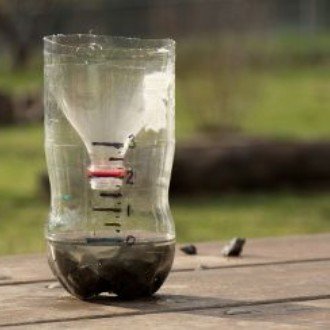
This method involves placing rain gauges or small containers around your lawn to measure how much water your sprinklers produce.
Measure Output Rate: Place rain gauges or straight-sided containers around your lawn to measure how much water your sprinklers deliver. Run your irrigation system for 10 minutes, then measure the depth of water in each gauge. This will help you determine your sprinkler system’s output rate in millimeters per hour.
Calculate Required Time: Divide the total amount of water your lawn needs per week by the sprinkler output rate to find out how many minutes you need to run your system. For example, if your Kikuyu lawn needs 75 millimeters of water per week and your sprinkler delivers 5 millimeters of water in 10 minutes, you’ll need to run your sprinklers for 150 minutes per week.
Method 2: Using a Water Meter to Calculate Watering Needs
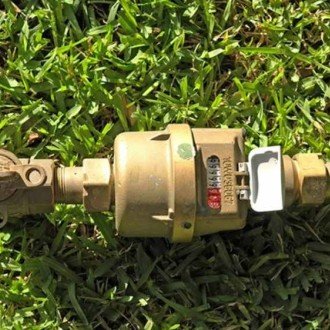
Another way to calculate your sprinkler’s output is by using a water meter, which measures the flow of water in liters. This method is more precise and useful if you have a water meter installed for your irrigation system.
Measure Water Usage: Before you start your irrigation system, read your water meter and note the reading. Run your sprinklers for a specific period, such as 10 minutes, then read the meter again to see how many liters of water were used.
Calculate Output Rate: Convert the total water usage into millimeters of water applied to your lawn. To do this, you need to know the area of your lawn in square meters. Use the following formula:
Watering Depth (mm) = (Water Usage (liters) / Lawn Area (m²)) x 1000.
For example, if your lawn is 200 square meters and your meter shows 500 liters of water used in 10 minutes, the watering depth would be 2.5 millimeters in 10 minutes.
Calculate Required Time: Just as with the rain gauge method, divide the total amount of water your lawn needs per week by the output rate to determine how long you should run your sprinklers.
Regardless of the method you use, it’s important to adjust your watering schedule based on soil type and efficiency:
Account for Soil Absorption: If you have sandy soil, you may need to water more frequently but for shorter periods to prevent runoff. Clay soils, on the other hand, might require less frequent, deeper watering.
Split Watering Sessions: It’s often better to split your watering time into two or three sessions per week rather than watering all at once. This helps prevent runoff and allows water to soak deeper into the soil.
Final Tips for Effective Watering
- Water Early in the Morning: This helps reduce evaporation and allows the water to soak into the soil before the heat of the day.
- Use Smart Controllers: Consider using a smart irrigation controller that adjusts watering schedules based on weather conditions, soil moisture, and other factors.
- Regularly Check for Leaks: Ensure your irrigation system is free of leaks and that sprinkler heads are properly aligned for even coverage.
By calculating how much water your lawn needs and adjusting your watering times accordingly, you can maintain a healthy, vibrant lawn while conserving water. Regularly assessing your lawn’s water needs and adapting to changes in weather, soil, and grass type will help you keep your Kikuyu or LM Berea lawn looking its best year-round.